TMJ Disorders
What is TMJ Disorder?
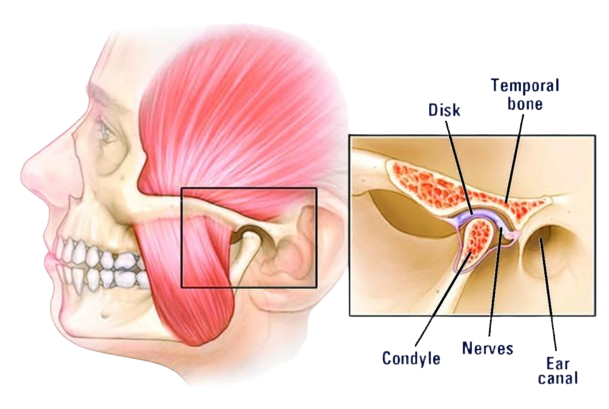
TMJ disorders affect the temporomandibular joint, which connects your jaw to your skull. This joint helps you speak, chew, and move your mouth. When it doesn’t function properly, it can lead to pain and restricted movement.
Causes of TMJ Disorders
TMJ disorders can develop due to:
- Teeth grinding (bruxism)
- Jaw injury or trauma
- Stress and jaw clenching
- Arthritis affecting the joint
- Misalignment of teeth or jaw
TMJ Disorder Treatment
Relief from Jaw Pain, Clicking & Limited Movement
Temporomandibular Joint (TMJ) disorders can cause pain, discomfort, and difficulty in jaw movement. Our expert care focuses on accurate diagnosis and effective treatment to provide long-term relief and restore normal jaw function.
Signs & Symptoms
Common symptoms of TMJ disorders include:
- Pain or tenderness in the jaw
- Clicking or popping sounds while opening or closing the mouth
- Difficulty or discomfort while chewing
- Locking of the jaw joint
- Ear pain or a feeling of fullness
- Headaches or facial pain
- Limited jaw movement
Diagnosis
Proper diagnosis is important to identify the root cause. It typically includes:
- Detailed clinical examination
- Assessment of jaw movement and bite alignment
- Digital X-rays or MRI (if required)
Treatment Options
1. Non-Surgical Treatment
Most TMJ cases can be managed without surgery:
- Pain relief medications
- Custom night guards or splints
- Physiotherapy and jaw exercises
- Stress management techniques
2. Advanced Treatment
In severe or persistent cases:
- Therapeutic injections
- Surgical intervention (rarely required)
Why Choose Us?
- Experienced TMJ specialists
- Advanced diagnostic technology
- Personalized treatment plans
- Focus on long-term relief
- Comfortable and patient-friendly care
Recovery & Lifestyle Tips
- Avoid hard, chewy, or sticky foods
- Practice gentle jaw exercises regularly
- Apply warm compress to reduce pain
- Avoid excessive mouth opening
- Follow all professional advice and follow-ups
FAQ's
TMJ pain often feels like an aching discomfort near the jaw, ear, or face, especially during chewing or speaking.
Mild cases may improve naturally, but proper treatment ensures faster and more reliable relief.
Most treatments are non-invasive and designed to be comfortable for the patient.
Surgery is rarely required and is only considered in severe cases when other treatments fail.
The duration varies depending on the severity, but many patients experience improvement within a few weeks.