
Cysts and tumors of the jaws
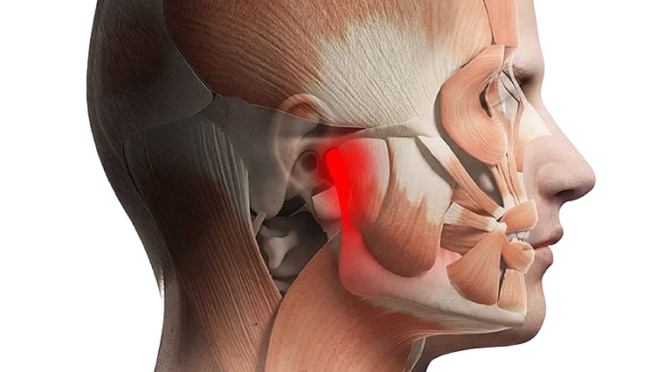
What Are Jaw Tumors and Cysts?
Jaw tumors and cysts are abnormal structural changes that develop in the jawbone or surrounding soft tissues. They may be benign (non-cancerous) or malignant (cancerous). Cysts are typically fluid-filled sacs, while tumors involve uncontrolled tissue growth. In some cases, they remain asymptomatic for a long time, but as they progress, they can lead to pain, swelling, and functional loss.
Common Jaw Tumors and Cysts
- Ameloblastoma – A benign but locally aggressive tumor
- Odontogenic cysts – Cysts originating from tooth development
- Keratocystic odontogenic tumor – A rapidly growing and recurrent lesion
- Malignant tumors (e.g., Osteosarcoma) – Cancerous and serious condition
What Causes Jaw Tumors and Cysts?
The causes can vary and may include both genetic and environmental factors:
Genetic Factors
- Family history of similar conditions
- Genetic syndromes such as Gorlin-Goltz syndrome
Oral Hygiene
- Untreated dental caries
- Chronic gum diseases
Trauma
- Physical injury to the jaw
- Complications from dental procedures or surgery
Infections
- Spread of bacterial or viral infections
Symptoms of Jaw Tumors and Cysts
Symptoms may begin with visible changes or may develop gradually over time. In some cases, the condition can remain silent in early stages.
Common Symptoms
- Swelling or a lump in the jaw
- Pain or tenderness
- Loose or displaced teeth
- Difficulty opening the mouth
- Redness and warmth (in case of infection)
Symptom Frequency Table
| Symptom | Frequency |
|---|---|
| Swelling | High |
| Pain | Moderate |
| Functional Loss | Low |
How Are Jaw Tumors and Cysts Diagnosed?
Diagnosis is typically made through a detailed clinical evaluation and imaging techniques. Early detection greatly improves treatment outcomes.
Diagnostic Methods :
Clinical Examination
- Physical examination of the oral and jaw region
- Identification of swelling or palpable masses
Radiological Imaging
- Panoramic X-ray (OPG)
- CT scan
- MRI
Biopsy
- Tissue sampling from the lesion
- Confirms the exact nature (benign or malignant)
How Are Jaw Tumors and Cysts Treated?
Treatment depends on the type, size, and severity of the lesion.
Surgical Treatment
- Removal of the tumor or cyst
- Reconstructive surgery if required
Medical Treatment
- Antibiotics in case of infection
- Supportive pain management
Radiotherapy / Chemotherapy
- Used as adjunct treatment for malignant tumors
FAQs
Yes, maintaining proper oral hygiene and having regular dental check-ups can reduce the risk.
It depends on the individual case, but early diagnosis makes the process more manageable.
Jaw tumors and cysts are treatable conditions when detected early, but can lead to serious complications if ignored. Pay close attention to symptoms and protect your health by visiting your dentist regularly. For more information, feel free to contact us.